Building a custom home involves hundreds of decisions, but some carry more weight than others. One of the earliest is choosing how your home will be designed and built. You can hire a single team to handle both stages or work with a separate designer and builder. This decision affects how your project is planned, how responsibilities are divided, and how problems are resolved during construction.
Understanding design build vs design bid build can help you choose an approach that fits your budget, priorities, and preferred level of involvement. Each method handles contracts, costs, timelines, and design decisions differently. This guide explains those differences, compares the advantages and drawbacks of each approach, and covers the questions to ask before making your decision.
Design Build vs Design Bid Build
The main difference between design build and design bid build is who manages the design and construction contracts and when the builder becomes involved.
Design-build combines design and construction under one contract with a single responsible entity. This may be a builder with in-house designers or a partnership between a design firm and builder.
Design-bid-build follows three stages. The homeowner hires a designer to prepare plans, contractors bid on the project, and the homeowner selects a builder. This design bid build project delivery method uses separate contracts for design and construction.
| Decision | Design-Build | Design-Bid-Build |
| Contracts | One entity handles both | Separate designer and builder |
| Builder Involvement | During design | Typically after plans are developed |
| Pricing | Develops alongside the design | Based on completed plans |
| Coordination | Design-build entity | Homeowner and appointed professionals |
Both methods can deliver successful custom homes. The better choice depends on your budget, priorities, and how much involvement you want throughout the project.
What Does Each Method Look Like for a Custom Home?
The design-build route
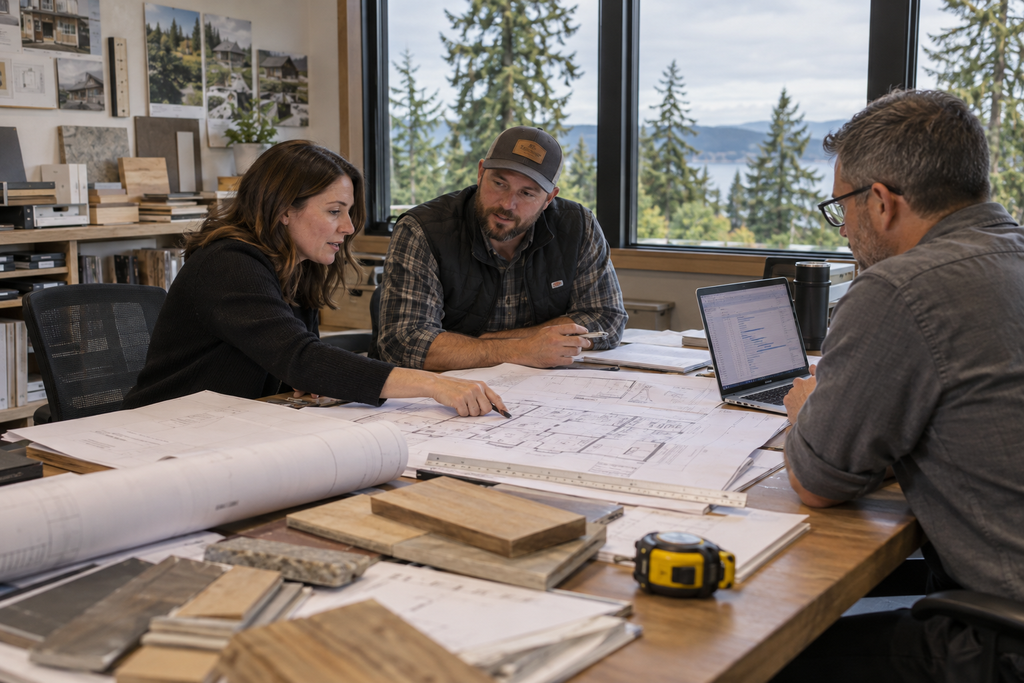
You hire a single firm responsible for both design and construction. The designer may be on that firm’s staff, or the firm may engage an outside architect or designer as part of its team. Either way, you sign one agreement and deal with one primary point of contact.
The practical advantage shows up early. Because the construction side is at the table while the design takes shape, estimating and construction input can inform decisions before the drawings are locked. A builder who sees a cantilevered second floor in the sketch phase can tell you what it will likely do to the budget, and you can adjust while changes are still cheap. Questions about materials, structural approach, and sequencing get answered during design rather than discovered afterward.
The trade-off is that you are choosing a team before you have a finished design, so trust and fit matter more. You should look closely at the firm’s past homes, how its designers and builders collaborate, and how it handles pricing as the scope develops.
The design-bid-build route
The process begins with hiring an architect or designer to develop your home’s plans and specifications. Under this approach, architects and builders work under separate contracts, with the builder typically joining after the plans are ready. You then request bids from several contractors, compare their proposals, and sign a construction contract with your chosen builder.
Because the designer works independently of the builder, they can also review construction work on your behalf. However, their responsibilities, including site visits, answering questions, and reviewing progress, depend on your agreement. Defining these services early helps prevent confusion when issues arise during construction.
How Do the Two Methods Affect Cost and Bids?
Both methods offer cost advantages, but neither guarantees a lower final price.
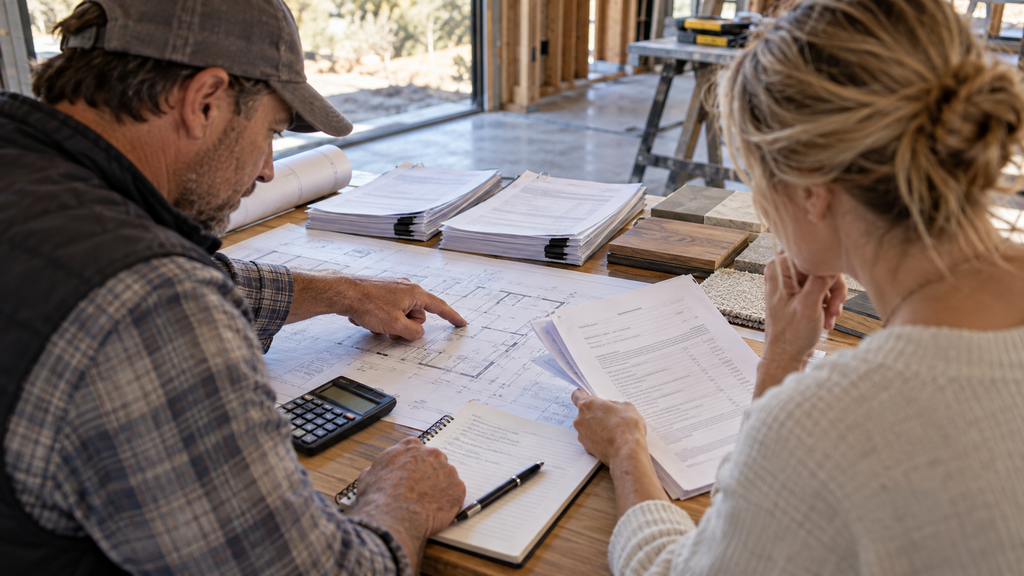
Design-build allows the builder to review costs while the design is still flexible. This helps identify more affordable alternatives before plans are finalized, potentially reducing unexpected expenses. However, the final price still depends on project scope, material choices, site conditions, and contract terms. Ask when and how the price becomes fixed.
Design-bid-build lets you compare bids from multiple builders using the same plans, which can encourage competitive pricing. However, the lowest bid may not mean the lowest final cost. Missing details or unclear plans can lead to change orders, while bids exceeding your budget may require costly redesigns and another round of bidding.
Ultimately, design-build provides earlier cost feedback, while design-bid-build allows direct price comparisons. Actual savings depend on the project, the team, and how clearly the work is defined.
How Do They Affect the Project Timeline?
Design-bid-build follows a clear sequence: complete the design, collect bids, select a builder, and begin construction. This gives homeowners finalized plans before work starts, but bidding and contractor selection add time to the overall schedule.
Design-build allows certain activities to overlap. For example, permit preparation, material ordering, and some construction work may begin while remaining design details are finalized. This can shorten the timeline, but starting construction before every decision is settled increases the risk of delays and costly changes.
Design-build offers more scheduling flexibility, while design-bid-build follows a more defined sequence. However, the time needed to build a custom home also depends on project complexity, permits, team coordination, and how quickly decisions are made.
Who Handles Design Questions and Changes During Construction?
Design questions, unexpected site conditions, and homeowner-requested changes can arise during construction. The way these issues are resolved depends on who manages the design and building process.
Design-build places both responsibilities under one entity, allowing the designer and builder to coordinate directly. Whether plans need clarification, site conditions change, or the homeowner requests revisions, the same team handles the design and construction implications. This gives homeowners one main point of contact throughout the process.
Design-bid-build involves separate contracts with the designer and builder, so resolving issues may require more coordination. The homeowner may also need to help address disagreements between the two parties. Clearly defined responsibilities and a documented change-order process can help prevent confusion and disputes.
Both methods depend on effective communication, but design-build centralizes coordination within one team, while design-bid-build divides it among the homeowner and their hired professionals.
Which Method Gives the Homeowner More Design Control?
You can have substantial input under either method. The better questions are practical:
- Who works for you? In design-bid-build, an independent architect represents your design interests directly. In design-build, the designer is part of the team that also carries the construction and budget responsibility.
- When must selections be finalized? Design-build can move faster, which sometimes means decisions are needed sooner. Design-bid-build usually completes the design before pricing.
- How are alternatives priced? Ask how each method handles upgrades and substitutions, and how quickly you’ll see the cost impact.
- Do you want an independently contracted designer? If that matters to you, design-bid-build offers it by default. Some design-build firms can accommodate it, but ask.
If you care most about shaping every drawing yourself with a professional who answers only to you, design-bid-build is a natural fit. If you want design shaped by real-time construction and budget feedback, design-build serves that goal.
Which Approach Fits Your Project?
There is no universal winner, so use this table to match your priorities to a structure:
| If the Homeowner Prioritizes… | Explore… |
| One contract for design and construction | Design-build |
| Hiring an independent architect first | Design-bid-build |
| Comparing construction proposals on the same plans | Design-bid-build |
| Builder pricing input while the design develops | Design-build, or early builder involvement under separate contracts |
Note the last row. Some owners hire an architect and bring a builder in early under separate contracts, getting some budget feedback during design while keeping an independent designer. Delivery methods are a spectrum, and hybrids exist.
Questions to Ask Before Signing Either Agreement
Take these to every interview and contract review:
- Who contracts with the architect and engineers? You, or the builder?
- Who owns or can reuse the plans? Can you take them to another builder if the relationship ends?
- When will the construction price and scope be established? At signing, at a defined design milestone, or only as work proceeds?
- What happens if the design exceeds the budget? Who pays for redesign, and what are your options?
- Who handles design clarifications and changes on site? Is the architect retained for construction-phase services, and how are change orders approved?
Clear written answers to these five questions will tell you more about a project than any brochure. They also provide a starting point for evaluating a builder’s experience, communication, and approach to your project. These are equally important considerations when interviewing custom home builders.
Choosing a Delivery Method for Your Custom Home
The design build vs design bid build decision comes down to three things: how your contracts are structured, when the builder first joins the conversation, and who coordinates design and construction. Design-build consolidates those roles under one entity and typically brings the builder in during design. Design-bid-build separates the roles, keeps your designer independent, and usually brings builders in after the plans are developed.
Both are proven approaches, and neither guarantees a lower price, a faster schedule, or a smoother build. Your outcome depends on the quality of the team, the clarity of the documents, and the strength of the contract. Working with an experienced custom home construction team can help you evaluate your options and plan your project.